Our Work
Civil Society Europe (CSE) aims to become a strong voice for effective advocacy. We do that by gathering a robust civil society platform, the European representation of the social partners and civic movements at the national and regional levels.
Our priorities
CSE enables horizontal exchanges between civil society organisations and movements across Europe providing a common and permanent space to:
- Share experience and knowledge
- Scale up campaigns and other forms of collective action
- Strengthen the capacity of its members to connect people in their diversity
- Act for change around the shared values expressed in its Manifesto
Our purpose
CSE enables horizontal exchanges between civil society organisations and movements across Europe providing a common and permanent space to:
- Share experience and knowledge
- Scale up campaigns and other forms of collective action
- Act for policy change on transversal issues of common interest
- Promote a thriving and enabling civic space in Europe
- Strive for the recognition of civil society organisations by policymakers
- Strengthen mechanisms for the participation of civil society organisations in European decision-making processes, as well as their transparency.
- Work towards an effective, open, and structured civil dialogue at the EU level
Our work in 2026
CSE coordinates coalitions of civil society organisations on key EU policies and legislation affecting civil society. You can see a detailed description of our work in our Annual Report, or browse some highlights below.
Other initiatives
Projects
Civil Society Europe (CSE) was a partner in “EnTrust – Enlightened Trust”, a multidisciplinary and international research project dedicated to providing novel insights into trust and distrust in governance and measures to support sustainable and democratic societies in Europe.
About the Project
EnTrust, a Horizon 2020 project, was led by the University of Siegen as part of a consortium of seven research teams from the Czech Republic, Denmark, Germany, Greece, Italy, Poland and Serbia with expertise in sociology, psychology, political science, media and communication studies, as well as a civil society practitioner active at the EU level. The project, selected by the European Commission from a highly competitive bid, started in February 2020 and ran until 2024.
The EnTrust project seeked solutions to important societal challenges: the erosion of trust and the rise of distrust in national and European governance in a context of multiple crises, which also affect trust in other institutions (markets, media or science). EnTrust produced in-depth knowledge and increased the understanding of all political and social actors affected by current developments in order to propel those actions necessary to prevent harm to democratic governance and restore the relations between citizens and institutions.
The findings of this project will be an important contribution to current policy discussions on trust, accountability and transparency in governance, but also on the role of civil society organisations and civic movements as intermediary bodies between citizens and decision-makers in building trust. It will also contribute to problem-solving in these areas.
Our Contributions
Introduction to Civil Dialogue: Training Manual
Integrated Policy Paper
Report on Practices of Enhanced Trust in Governance
Policy Briefs
Enlightened Trust: A Wiki for Civic and Social Activism
Documentary Videos
A Europe We Trust: Visions of European Youth
Working Groups
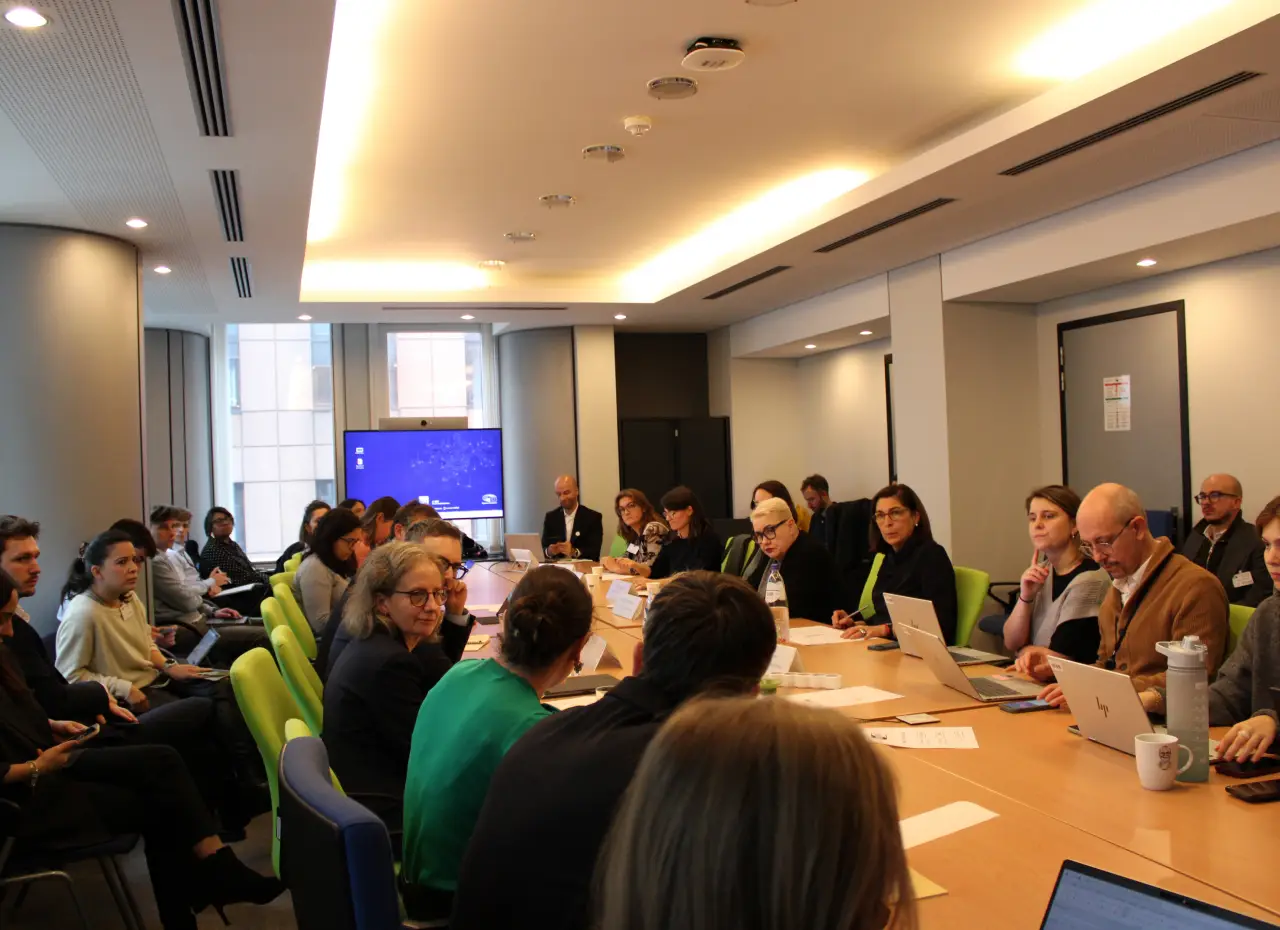
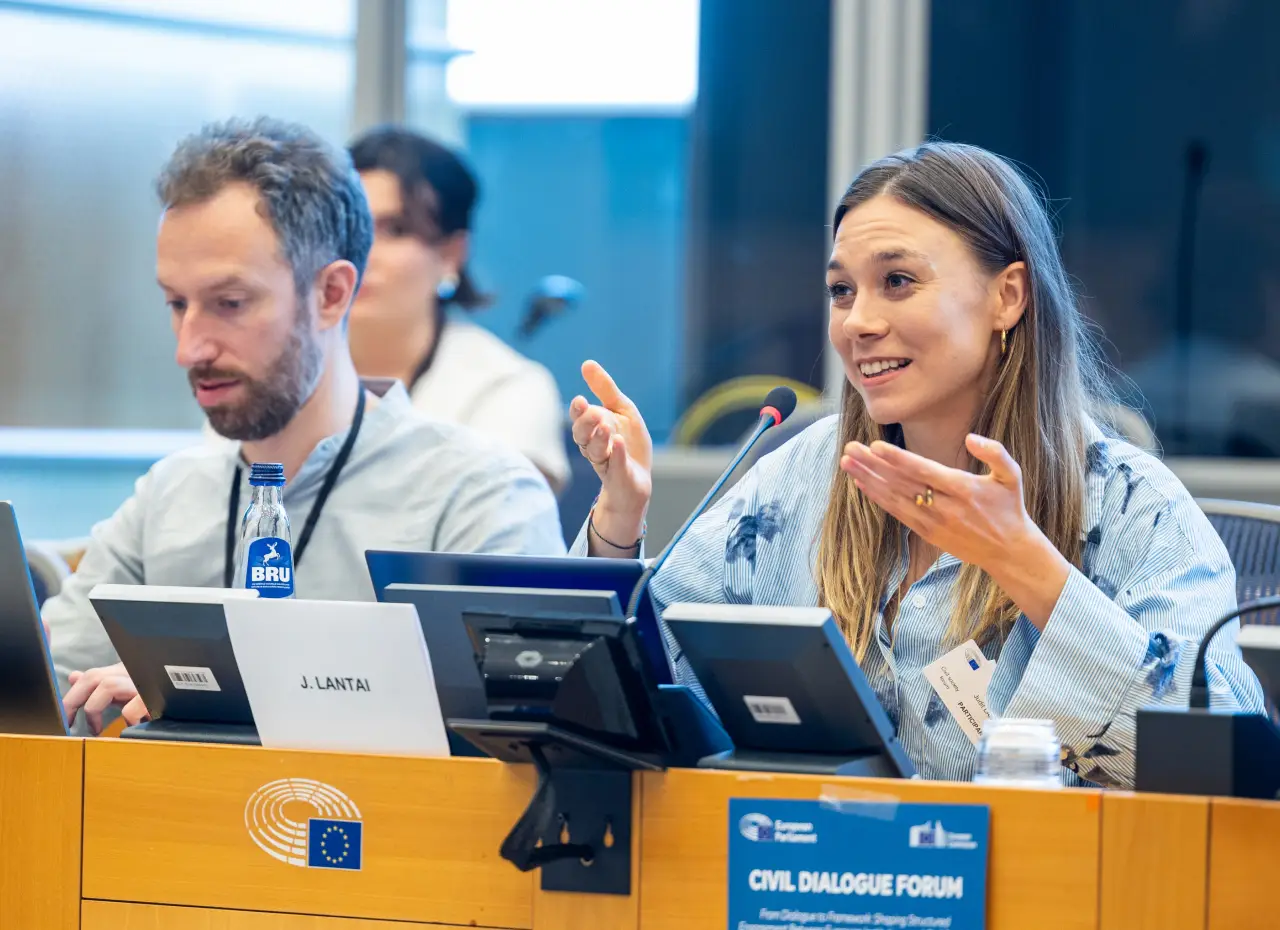
Our Working Groups (WGs) have been established to create a space for dialogue between civil society organisations and movements across the EU. The WGs provide a common and permanent space for the pooling of experiences and good practices; knowledge and documentary sources; campaigns and other forms of collective actions. They are currently focused on 4 thematic areas. Learn more below:

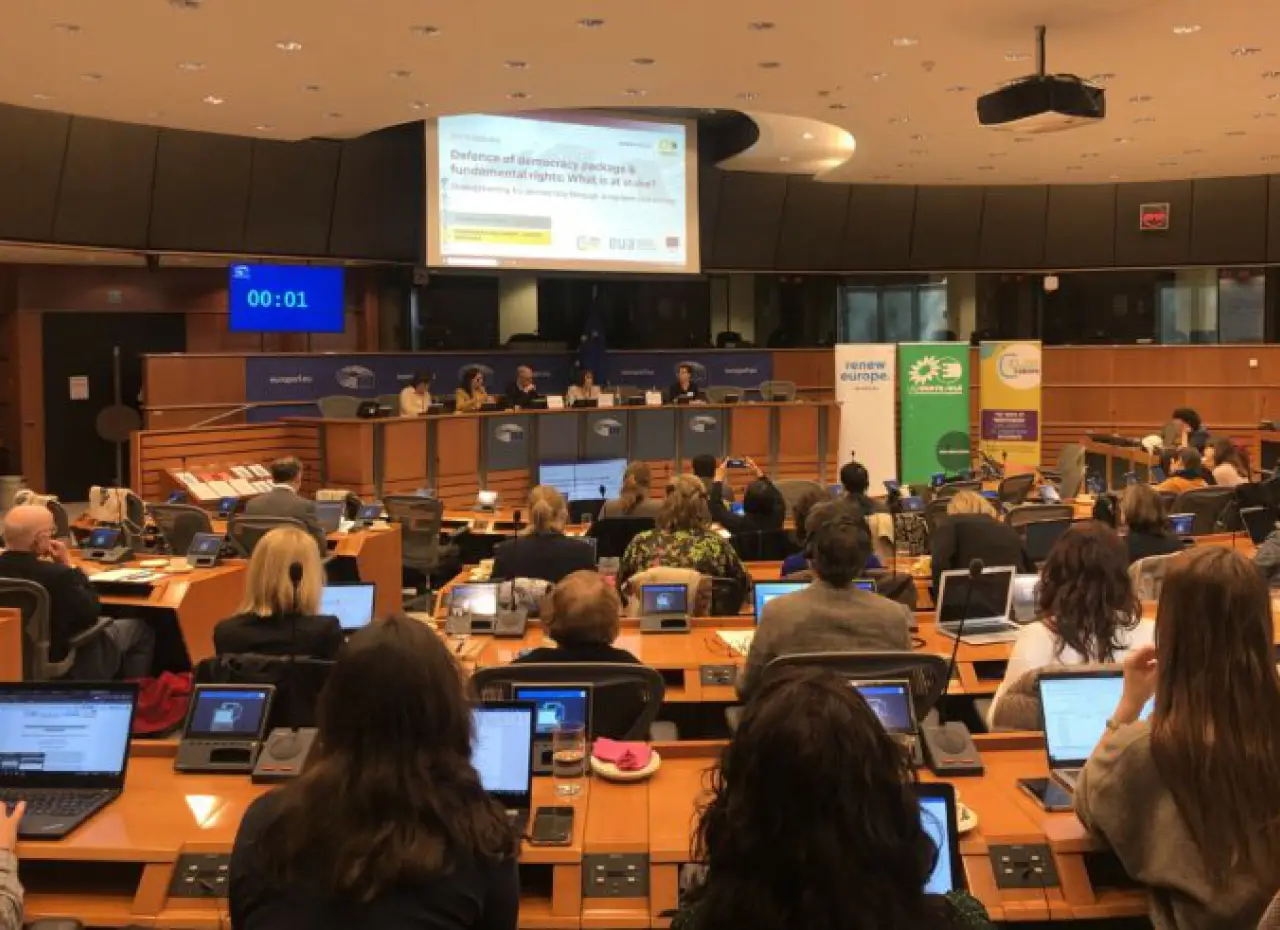
This WG is dedicated to advocating and enhancing civic space throughout the EU by working on topics like civil dialogue, the Defence of Democracy Package and the Commission’s annual Rule of Law report.
This WG is dedicated to exchanging about and working on funding issues, including European grant programmes (e.g. CERV), the EU’s Multiannual Financial Framework and the recognition of civil society organisations’ need for stable and predictable funding.
Partnerships
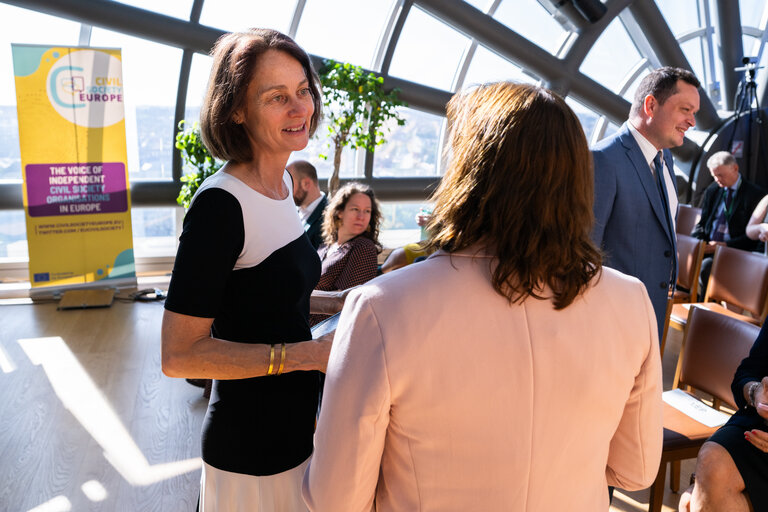
Civil Society Europe (CSE) regularly builds upon the expertise of affiliate organisations or external partners, in order to help us achieve our objectives. With that in mind, CSE has continued to strengthen its collaboration with the European Economic and Social Committee’s Civil Society Organisations’ Group, also known as Group III.
Civil Society Europe is also part of the CoQuality network, along with ICONG, FORMEM, Rådgivnings Danmark and Clip rd. CoQuality is a network of European Third Sector organisations that, as a collaborative workspace, formulates proposals to investigate and promote quality and Quality Management in the sector.
We have also established a partnership agreement with the Philanthropy Europe Association (Philea) to cooperate on issues related to civic space and the rule of law. Moreover, we also cooperate with the European Civic Forum, the European Center for Not-For-Profit Law and Civicus for the initiative Civic Space Watch.
Civil Society for EU / Interest Group on Civil Society
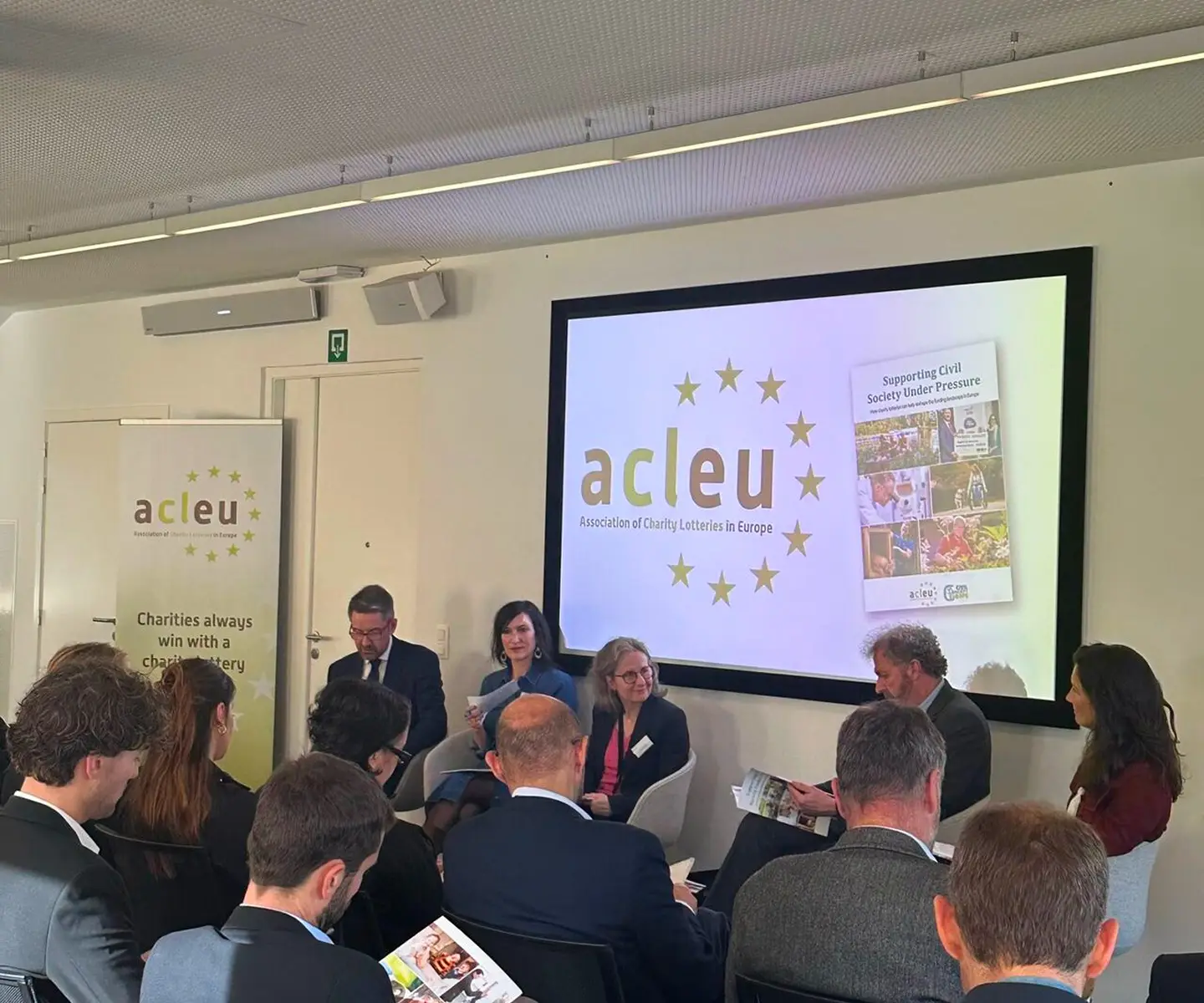
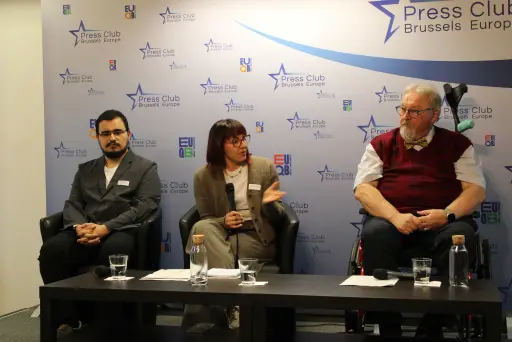
Civil society plays a key role in addressing complex societal challenges, yet it often lacks the support it needs. For this reason, Civil Society Europe and Social Platform coordinated the coalition campaign ‘Civil Society for EU’ in the run up to the 2024 European Elections. The support from civil society was crucial in making this a success with over 250 civil society organisations from across Europe endorsing our manifesto.
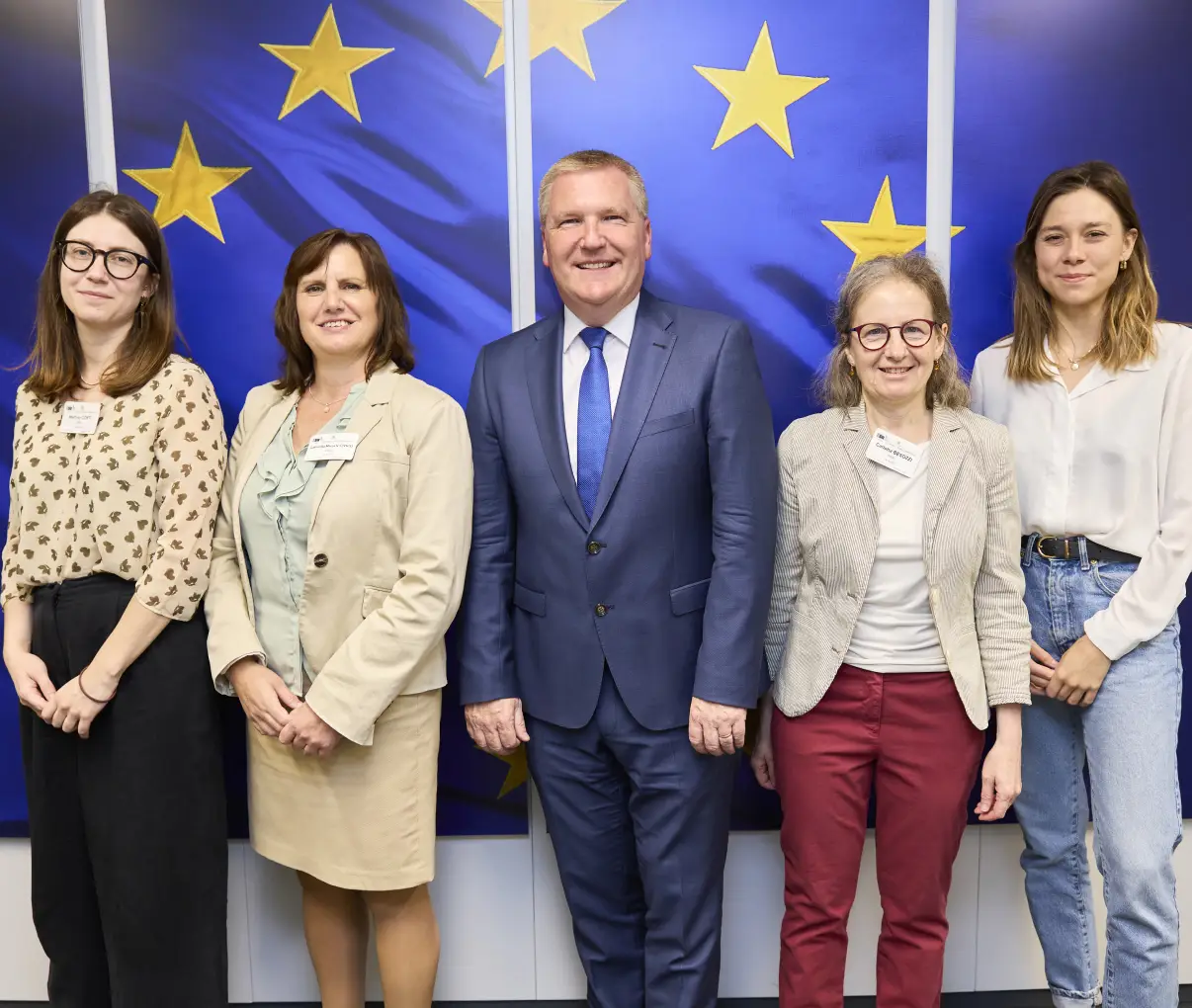
Together, we successfully engaged with European parties and mobilised candidates for the elections to show their dedication to civil society through the signing of our campaign pledge, which outlines several commitments to ensure the sector can thrive.
About the campaign
In total, we obtained 434 signatures from candidates across all EU member states and across several political groups (Greens/EFA, The Left, S&D, Renew, and EPP). Among the signatories, 104 were elected as MEPs.
Following the elections, we continued to engage with supportive MEPs as well as with other relevant stakeholders in the Parliament and European Commission to ensure strengthening civic space is given the attention it deserves. Specifically, we continued to call for the launch of a European Strategy for Civil Society and for the appointment of a Vice-President responsible for dialogue with civil society within both the Parliament and Commission.
From campaign to strategy
A few months later, two Vice-Presidents in the European Parliament were tasked with maintaining and strengthening relations with civil society organisations, while in November 2025 the European Commission adopted the landmark Civil Society Strategy.
Following the campaign’s success, the Interest Group on Civil Society in the European Parliament was established as a space for strengthening dialogue between dedicated MEPs and the organisations that help safeguard democratic participation and fundamental rights, and cooperate on issues relevant to civil society. The launch meeting took place in October 2025.
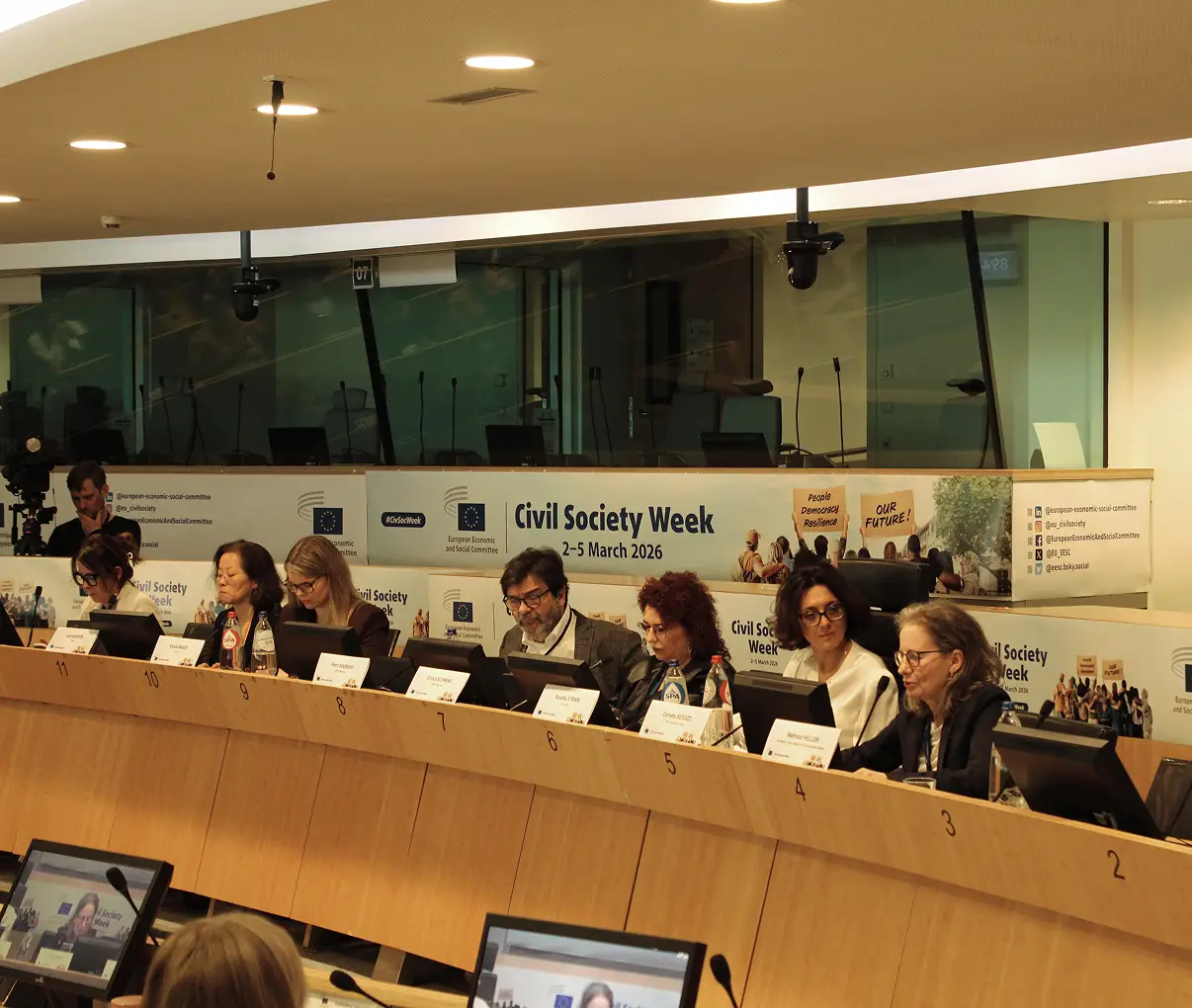
Shaping recommendations together
The Civil Society Convention, with its pan-European geographic scope, represented a wide range of thematic areas of action and engagement in accordance with the rights and values enshrined in European treaties. We worked together to conduct a critical analysis of present policies’ flaws and developed collective and constructive ideas for a better future.
This led to meaningful participation in the Conference on the Future of Europe and concluded with our event ‘CSO Convention on the Future of Europe’ on March 21st and 22nd 2022. Here, we presented our final recommendations to a varied group of attendees, including MEPs, professionals, network organisations, and citizens.